The real impact of TED goes beyond the eyes
The visible and nonvisible signs and symptoms of TED can have a debilitating impact on your patients’ daily activities, emotional well-being, and quality of life1,2

The visible and nonvisible signs and symptoms of TED can have a debilitating impact on your patients’ daily activities, emotional well-being, and quality of life1,2


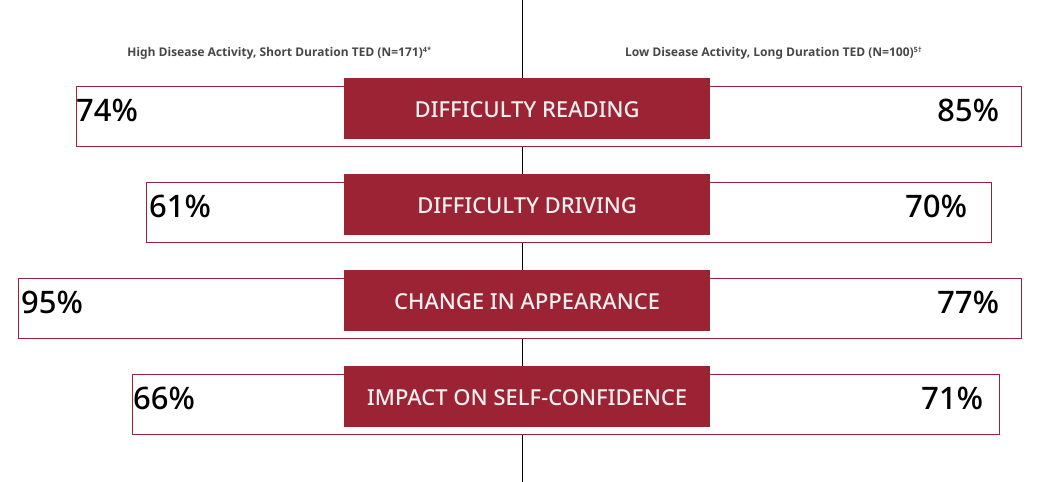
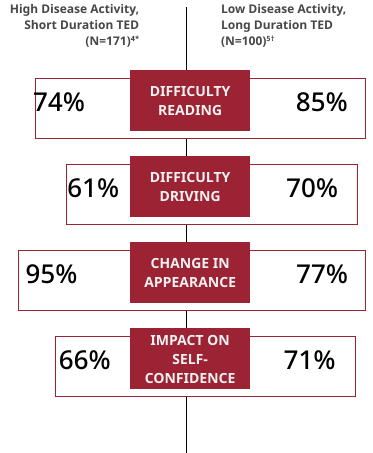
*Data from 2 clinical trials of 171 patients with moderate to severe, recent-onset (≤9 months) TED with high-level inflammation (Clinical Activity Score ≥4) were included.4
†100 patients identified as currently experiencing non-inflammatory/inactive TED by a healthcare professional completed an online survey in January 2020.5

Things spatially seemed off. Going downstairs, I’d see double. It was scary and it just started getting worse and worse.”
— Molly, TED Patient
The signs and symptoms of TED can cause disruptions and distress for your patients6-8
more likely to take sick leave6‡
experienced emotional distress7§
felt their self-confidence had been negatively affected8‖
‡Based on a longitudinal register study of 862 patients with nontoxic goiter, hyperthyroidism, Graves’ orbitopathy (GO), autoimmune hypothyroidism, or other thyroid diseases observed between 1994–2011. The referenced study included patients with a wide variety of thyroid diseases, however, the statistic reported here (~7x more likely to take sick leave) is specific to patients with Thyroid Eye Disease/Graves’ orbitopathy and reflects increased incidence of absence within the first year of diagnosis.6
§Based on an online 62-question survey of 443 TED patients, 394 of which responded to this question.7
‖Based on a QOL survey of 128 patients with Graves’ ophthalmopathy (GO) in Brisbane, Australia, who were managed between 1992 and 2000.8
In one survey, about 3 in 5 TED patients (63%; n=116) found it difficult to tell their doctor about the impact TED has on their daily lives9
More than half (59%; n=116) of TED patients rated their emotional well-being and quality of life as ”fair” or “poor” even when their symptoms were at their worst10


Receive the latest news and updates about Thyroid Eye Disease (TED).
Sign Up